September is National Preparedness Month, making it a great time to ask an important question: If severe weather affected your home tomorrow, would you be prepared?
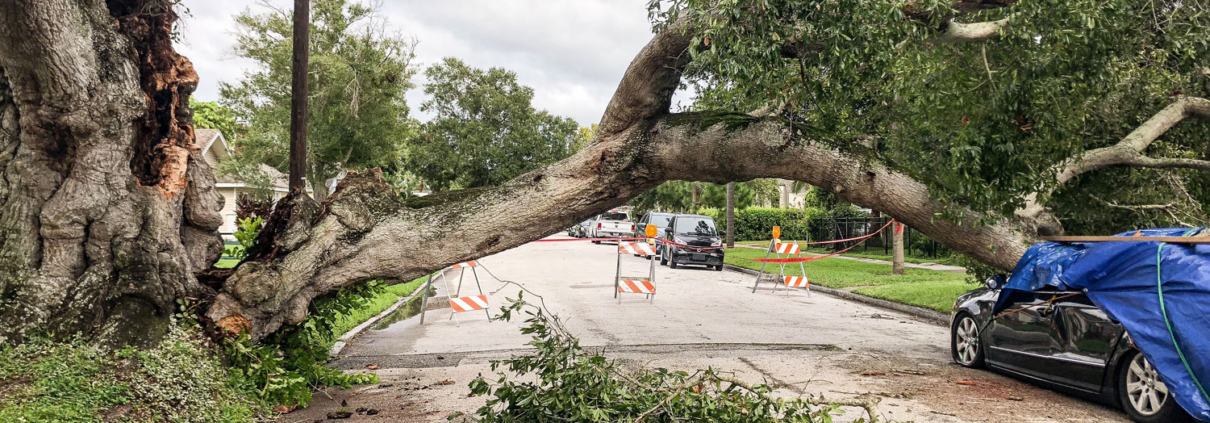
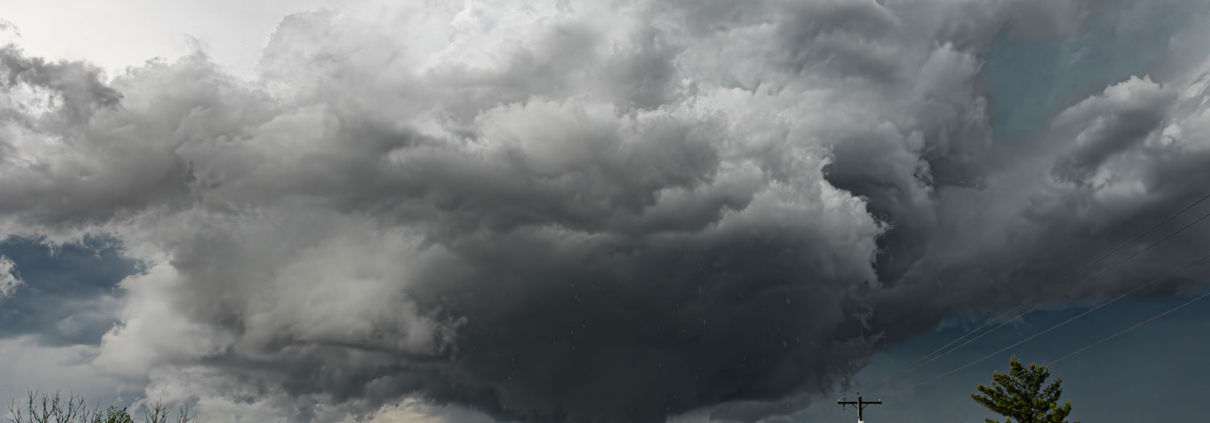
Here in South Carolina, September also falls during the heart of Atlantic hurricane season. While those of us in the Upstate may be hours from the coast, hurricanes and tropical storms can still bring heavy rainfall, strong winds, flash flooding, fallen trees, and power outages to our area.
Preparing your home is important—but so is understanding how your insurance would respond if something happened.
Here are a few steps Upstate homeowners can take this month to prepare.
Know What Your Homeowners Insurance Covers
Homeowners insurance generally provides protection for your home and belongings against a variety of covered events. Depending on the specifics of your policy, that may include damage caused by wind, hail, lightning, fire, or falling trees.
However, every policy is different. Coverage limits, deductibles, exclusions, and endorsements can all affect how much protection you actually have.
That’s why it’s important to review your policy before severe weather is in the forecast—not after damage occurs.
Remember: Flooding Is Usually Different
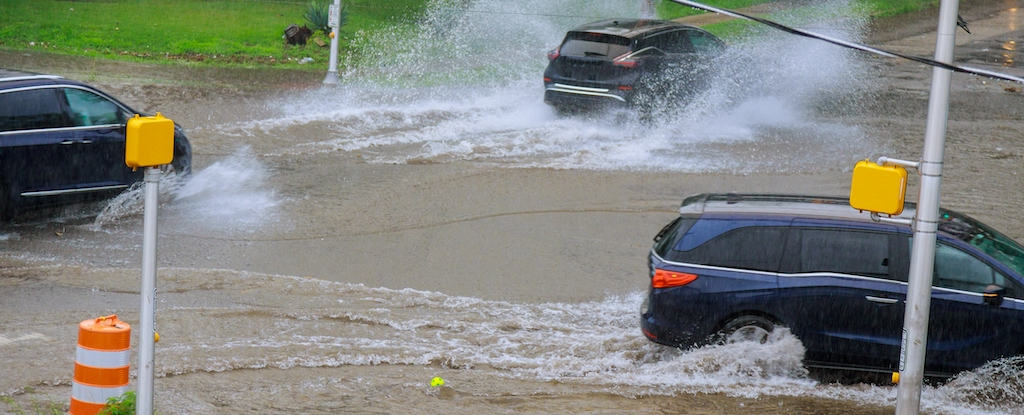
One of the most important things homeowners should understand is that a standard homeowners insurance policy typically does not cover flooding caused by rising water.
And as we have seen in years past, you don’t have to live along the South Carolina coast to experience a flood.
Heavy rainfall from tropical systems and severe thunderstorms can cause flash flooding, overwhelmed drainage systems, and rising creeks and rivers throughout the Upstate. Even properties outside high-risk flood zones can experience flooding.
If you’re unsure whether flood insurance makes sense for your property, talk with your insurance agent about your individual risk and coverage options.
Create a Home Inventory
If you had to file a claim tomorrow, could you remember everything you own?
Creating a home inventory now can make the claims process much easier later. Walk through your home and take photos or videos of your belongings, paying special attention to higher-value items such as:
- Electronics
- Appliances
- Furniture
- Jewelry
- Tools and outdoor equipment
- Collectibles and other valuables
Keep copies of receipts or documentation for major purchases when possible, and store your inventory somewhere you can access it even if your home is damaged.
Prepare Your Property Before a Storm
A little preventative maintenance can go a long way when severe weather arrives.
Before the next storm, consider:
- Cleaning gutters and downspouts
- Trimming dead or overhanging tree limbs
- Securing patio furniture and other outdoor items
- Inspecting your roof for loose or damaged shingles
- Checking drainage around your property
- Knowing how to safely shut off utilities if necessary
It’s also a good idea to keep basic emergency supplies on hand in case you lose power or need to remain at home for an extended period.
Know Your Deductible and Coverage Limits
Don’t wait until you’re filing a claim to learn how much your deductible is.
Take a few minutes to review your homeowners policy and make sure you understand your:
- Dwelling coverage
- Personal property limits
- Liability coverage
- Deductibles
- Additional living expense coverage
- Major exclusions
If you’ve renovated your home, added a deck or detached structure, made significant purchases, or experienced other changes since your last policy review, your current limits may need to be updated.
Make Insurance Part of Your Emergency Plan
Emergency preparedness isn’t only about flashlights, batteries, and bottled water. Having the right insurance coverage in place is an important part of protecting your family financially when the unexpected happens.
National Preparedness Month is the perfect reminder to review your policies and make sure you understand your protection before you need to use it.
Be Prepared Before the Next Storm
Severe weather doesn’t always give us much notice. Your insurance coverage, however, is something you can prepare ahead of time.
Contact Edwards Insurance today to schedule a complimentary insurance review. Our team can help you understand your current homeowners coverage, discuss flood insurance options, and identify potential gaps so you can feel better prepared for whatever the season brings.
When it comes to protecting your home and family, a little preparation today can make a big difference tomorrow.