How to Winterize Your Home & Car in the Upstate: A Simple Guide to Protect What Matters
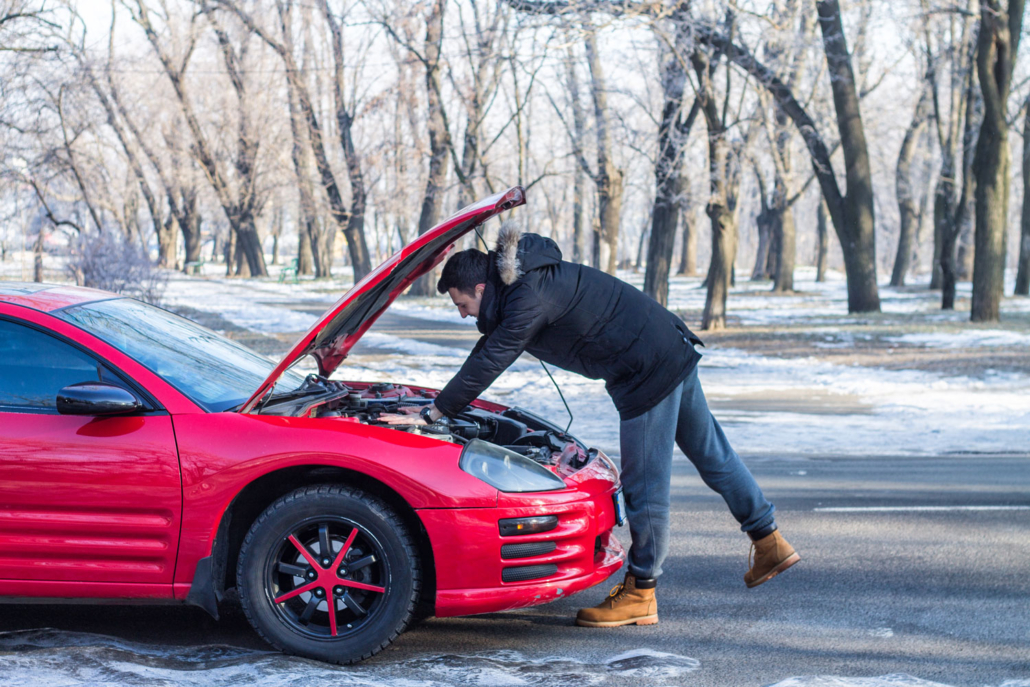
Even though winters in South Carolina are typically mild, surprise freezes and sudden temperature drops can still do serious damage. Icy roads, burst pipes, dead car batteries, and unexpected insurance claims are more common than most people realize.
The good news? A few easy winterizing steps can help protect your home and car, prevent unnecessary expenses, and keep your family safe. Here’s a quick guide!
Winterizing Your Home
Cold weather can affect your home’s plumbing, heating, and even the exterior. Here’s how to prepare:
1. Protect Your Pipes
Freezing temperatures can cause pipes to burst—which often leads to water damage.
- Cover outdoor faucets
- Let indoor faucets drip overnight during freezes
- Open cabinet doors under sinks to allow warm air to circulate
- Consider insulating exposed pipes if they’re in garages, attics, or crawl spaces
Tip: Know where your main water shut-off valve is in case a pipe bursts.
2. Inspect Your Heating System
Have your HVAC or furnace serviced to ensure it’s working efficiently.
- Change air filters
- Test carbon monoxide detectors
- Clean vents and remove dust buildup
- Have fireplaces and chimneys professionally inspected
3. Seal Doors and Windows
Drafts can cause higher heating bills and strain your HVAC system.
- User weather stripping or caulk
- Cover older windows with plastic insulation kits
- Check for cracks around doors
4. Prevent Roof & Gutter Problems
Debris buildup can cause water leaks and ice dams (yes, even in SC during sudden freezes!).
- Clean gutters
- Trim branches hanging over your roof
- Check shingles for loose or missing pieces
5. Check Your Smoke Alarms
House fires increase in the winter due to heaters, candles, and holiday cooking.
- Replace batteries
- Test alarms monthly
- Keep a fire extinguisher in the kitchen
Winterizing Your Car
Cold weather can impact your tires, battery, and engine performance. Before temperatures drop, check these:
1. Inspect Tire Pressure & Tread
Tire pressure drops in cold weather, affecting braking and traction.
- Check pressure weekly
- Consider winter or all-season tires if you travel to colder states
- Make sure your tread depth is safe (use the penny test)
2. Test Your Car Battery
Batteries work harder in winter and can fail without warning.
- Have it inspected at a local auto shop
- Look for corrosion around terminals
- Replace if older than 3-5 years
3. Replace Wiper Blades & Refill Fluid
Visibility becomes crucial during winter rain and frost.
- Switch out old wipers
- User washer fluid rated for freezing temperatures
- Keep an ice scraper in your car
4. Check Antifreeze Levels
Antifreeze protects your engine from freezing and overheating.
- Check coolant levels
- Make sure you have the correct mixture (typically 50/50 antifreeze + water)
5. Keep a Winter Emergency Kit
Even a short drive can turn risky if roads freeze. Pack:
- Blanket
- Flashlight
- Gloves
- Water + snacks
- Jumper cables
- Phone charger
- First aid kit
We’re Here to Help Protect Your Home & Car
At Edwards Insurance, we believe protection starts long before a claim. A little preparation, the right coverage, and a team you can trust makes all the difference.
Want help reviewing your home or auto policy?
Our local team is happy to take a look and make sure you’re prepared for winter and beyond.
Call us or send a message anytime — we’re here for you!